
The job search is every student’s first real-world project
From building relationships to communicating clearly and showing up prepared, every skill that students practice during the job search directly translates into strengths employers rely on once they’re hired. I see this firsthand every time I manage Castle’s internship program’s recruitment process. The candidates who excel at these fundamentals are often the same ones who thrive on the job.
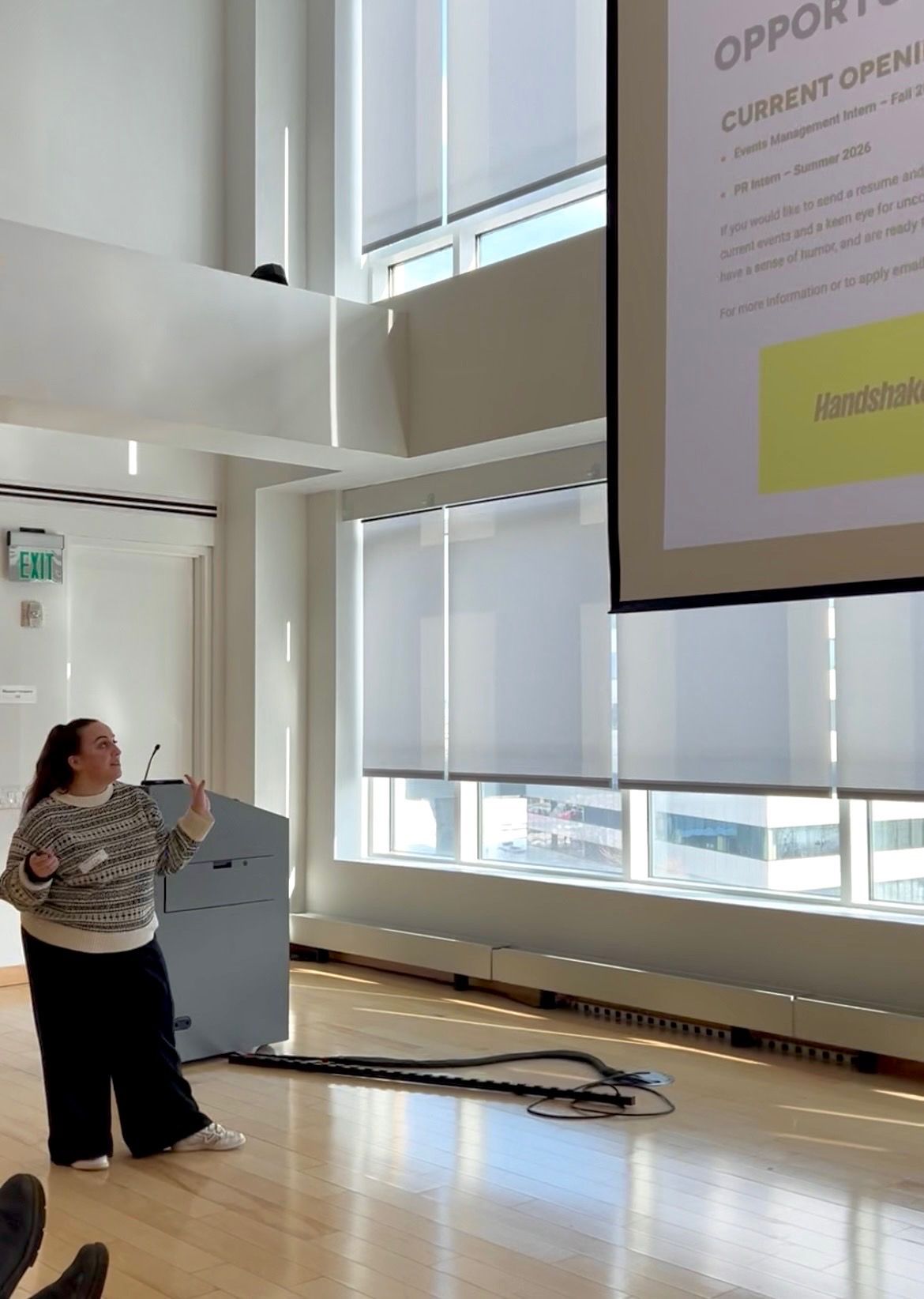
When I walked into Hult International Business School to host a session for their Career Launch Week, I found myself in a room full of eager, ambitious students who were unsure of where to begin. The job search can feel overwhelming and full of invisible expectations, but as I guided them through my session, “Activate Your Campaign: A proactive approach to recruiter outreach and job search success,” one thing became clear: the job search is so much more than a path to employment. It’s a crash course in workplace readiness.
What Students Learn in a Job Search Mirrors What Employers Want in the Workplace
One of the biggest misconceptions students have is viewing the job search as an administrative hurdle before the “real work” begins. In reality, a proactive job search is the work. It requires initiative, including reaching out first, asking thoughtful questions, and demonstrating genuine interest. These are some behaviors that signal someone is ready to contribute to the workplace.
Building relationships with recruiters, alumni, and hiring managers teaches students to connect authentically with people from different backgrounds and levels of seniority. In the workplace, those relationship-building skills are essential to collaboration, trust, and long-term success.
Staying organized with applications, outreach, and deadlines builds accountability. Preparing materials and researching companies reinforces the importance of putting in the work before showing up. That level of preparation is one of the fastest ways to earn credibility.
Throughout the process, curiosity and commitment matter just as much. Students who explore roles, ask smart questions, and stay engaged often ramp up more quickly once hired. Successful candidates also follow up politely, professionally, and with purpose, mirroring how effective employees manage projects and keep work moving.
In other words, the job search isn’t just about landing a role. It’s a preview of how a candidate will show up once they have one.
The Curriculum I Taught at Career Launch Week (and Why It Matters at Work)
Each part of the Activate Your Campaign session was designed to give students practical tools, and each element also strengthens competencies that employers value in early-career talent.
- Connecting with Recruiters, Alumni, and Hiring Managers = Relationship-Building & Communication
Learning to reach out thoughtfully helps students develop the communication skills they’ll rely on long after the job search. Personalizing messages and building rapport aren’t just networking tactics, but the foundation of strong professional relationships.
- Building a Focused, Proactive Job Search Strategy = Planning & Prioritization
When students create goals, map out next steps, and manage their time, they learn to work strategically and with intention. This mirrors how employees prioritize tasks, plan ahead, and follow a consistent process to achieve meaningful results.
- Preparing Materials Before Applying = Professional Readiness & Self-Awareness
Refining a resume, tailoring a cover letter, and aligning materials with a role require attention to detail and accountability. These skills translate directly into writing professional emails, preparing deliverables, and understanding how their strengths fit team needs.
- Interview Preparation = Critical Thinking & Ownership
Interview prep teaches students to research thoughtfully, reflect on their experiences, and how to communicate under pressure. These habits support effective problem solving, confident presentations, and the ability to think on their feet.
- Application Tracking = Operational Excellence
Using an organized application tracker introduces students to process management. Documenting activities, managing follow-ups, and tracking progress mirror the operational habits needed to navigate workflows and keep projects on track.
All these skills are deeply valuable in the workplace, especially for interns entering professional environments for the first time. The job search simply gives them a structured place to practice.
What I See When I’m Hiring Interns: Patterns of Success
Working closely on our internship recruitment process has given me a clear view into the behaviors that consistently set candidates apart. The interns who stand out most are the ones who follow through. Whether it’s confirming an interview, sending a thoughtful thank you, or completing a task ahead of schedule, follow-through signals reliability and commitment.
Preparedness is another unmistakable marker of professionalism. Candidates who arrive with a strong understanding of the role, thoughtful questions, and examples ready to share demonstrate investment. That same preparation leads to stronger work and smoother onboarding.
Personalized outreach also gets noticed. Candidates who reference our work or show genuine interest instantly rise to the top. That intentionality reflects the desire to build authentic relationships, which helps interns collaborate effectively once they join a team.
Organization is another trait that predicts success. Students who keep track of deadlines, materials, and communication tend to manage projects well, stay on top of priorities, and avoid letting details slip through the cracks.
Finally, curiosity during interviews is a powerful indicator of growth potential. Students who ask thoughtful questions or show eagerness to learn often ramp up faster once hired. Curiosity fuels engagement, problem-solving, and a willingness to explore beyond the basics.
The behaviors that help students stand out during the job search are the same ones that help them succeed in their first professional roles.
Why Proactivity Is the Future of Early-Career Hiring
Across industries, employers are looking for early career talent who can adapt quickly, communicate clearly, and take ownership of their work. The job market increasingly rewards candidates who show initiative, not just in what they’ve accomplished but in how they approach the process itself.
Students who treat their job search like a real project naturally build the habits today’s workplaces rely on: setting goals, creating structure, following through, and navigating with confidence. These behaviors aren’t just helpful in landing a job; they’re foundational to succeeding in one.
Skills like communication, adaptability, and learning agility are no longer optional; they’re essential. And the job search offers an early opportunity to practice all of them. When students approach the process with structure and purpose, they’re not only more successful in securing opportunities; they’re also more prepared for the realities of full-time employment.
Proactivity is becoming a differentiator in early career hiring because it reflects something deeper: a candidate’s readiness to engage, contribute, and grow from day one.
From Job Search to Career Launch
The job search can feel daunting, but it’s also an incredible opportunity for students to build the habits, skills, and confidence that will carry them into their careers. Every email drafted, conversation started, and moment of preparation is a chance to practice showing up as the professional they hope to become.Proactivity doesn’t just open doors; it sets the tone for how they’ll walk through them.
At Castle, we’re committed to supporting the next generation of young professionals by creating opportunities for students to grow, learn, and build the foundation for long-term success. Helping students develop these early-career skills isn’t just good for hiring; it strengthens the future workforce.
So, to every student beginning their journey: start now. Reach out to recruiters. Build your network. Create a focused plan, prepare thoughtfully, and take the next step, no matter how small. Your job search isn’t just a path to your first role. It’s the beginning of your career.